
Azithromycin uses for copd
KING, M. See patient information handout on chronic clonazepam can not eat pulmonary diseasewritten by the authors of this article. Acute exacerbations of chronic obstructive pulmonary disease COPD are treated with oxygen in azithromycin uses for copd patientsinhaled beta 2 agonists, inhaled azithromycin uses for copd, antibiotics and systemic corticosteroids. Methylxanthine therapy may be considered in patients who do not respond to other bronchodilators. Antibiotic therapy is directed at the most common pathogens, including Streptococcus pneumoniae, Haemophilus influenzae and Moraxella catarrhalis. Mild to moderate exacerbations of COPD are usually treated with older broad-spectrum antibiotics such as doxycycline, trimethoprim-sulfamethoxazole and amoxicillin-clavulanate potassium.
By Abhishek Biswas, MD. Macrolide antibiotics carry a risk of qTc prolongation with resulting malignant arrhythmia such as torsades de azithromycin uses for copd and sudden cardiac death. Azithromycin carries the least risk of qTc prolongation among all macrolides, with the highest risk associated with erythromycin. Even then, the calculated risk of cardiovascular death associated with long term azithromycin prophylaxis in Azithromycin uses for copd patients is reported to be 1 in 20, Another side effect noted from azithromycin is phentermine in the army losswhich although being small in magnitude, is nonetheless important.
Azithromycin taken daily prevents exacerbations of chronic obstructive pulmonary disease COPD exacerbations , but seems to also carry risks for cardiovascular death and hearing loss. COPD exacerbations result in close to one million hospitalizations in U. It's asserted that COPD exacerbations "accelerate the progressive decline in lung function associated with COPD," with each acute exacerbation increasing the rate of FEV1 decline by 2 mL per year in nonsmokers, and by 7 mL in smokers from an average of 33 mL per year. These two studies also show that many people with COPD don't experience an accelerated decline in FEV1 at all, contrary to medical conventional wisdom. New research using advanced molecular testing has shown that bacteria are probably often responsible for COPD exacerbations. The airways of people with stable, controlled COPD are frequently colonized with bacteria like Hemophilus influenza ; when these people experience COPD exacerbations, new bacterial strains can often be isolated, suggesting a new infection or disruption in the bacterial ecology of the airways is responsible. Empiric antibiotics with macrolides, beta-lactams, or doxycycline have long been part of the established therapies for COPD exacerbations since well before the advent of the modern clinical trial era. Briefly, 1, patients with severe COPD were randomized to azithromycin mg daily or placebo for one year. Those taking azithromycin had fewer COPD exacerbations during the year, a finding with the following contours:.
I have chronic obstructive pulmonary disease COPD , and my doctor is recommending an antibiotic drug long term. Why is this needed? For certain people with COPD , long-term use of an antibiotic drug — specifically azithromycin Zithromax — is a fairly new option to reduce exacerbations. Exacerbations are episodes when symptoms of COPD become worse than their usual day-to-day variation. Some exacerbations may be caused by a viral or bacterial infection.
Helicobacter pylori HP infection is associated with reduced lung function and systemic inflammation in chronic obstructive pulmonary disease COPD patients. Time to first azithromycin uses for copd was compared across the 4 groups using Kaplan-Meier survival analysis and a Cox proportional hazards model. The rates of exacerbation were compared using both the Kruskal-Wallis test and negative binomial analysis.
Copd for azithromycin uses
Received date: December 10, ; Accepted date: February 28, ; Published date: March 10, An Opportunity for Azithromycin?
Create your JWatch. Neil M. Ampel, MD reviewing Hodge S et al. After 12 copd of low-dose azithromycin, COPD patients showed increased alveolar macrophage expression of mannose receptors and increased phagocytosis of apoptotic bronchial epithelium cells. Chronic obstructive pulmonary disease COPD is associated with inflammation and loss of lung integrity. Some investigators have hypothesized that these changes result from dysregulated apoptosis of bronchial epithelial cells and reduced phagocytosis by alveolar macrophages Uses copd azithromycin for. Low-dose macrolide antibiotics have been shown to have anti-inflammatory properties, and azithromycin may be particularly useful because of its ability to reach high levels in AMs. Taking tramadol with alcohol proposed mechanism for these macrolide azithromycin uses for involves enhanced expression of collectins and their receptors. In vitro, azithromycin significantly enhanced the percentage of AMs expressing MRs on their surface. However, after 12 weeks of low-dose azithromycin mg orally for 5 days, then twice copdthe expression of MRs and the phagocytotic ability of AMs were significantly increased.
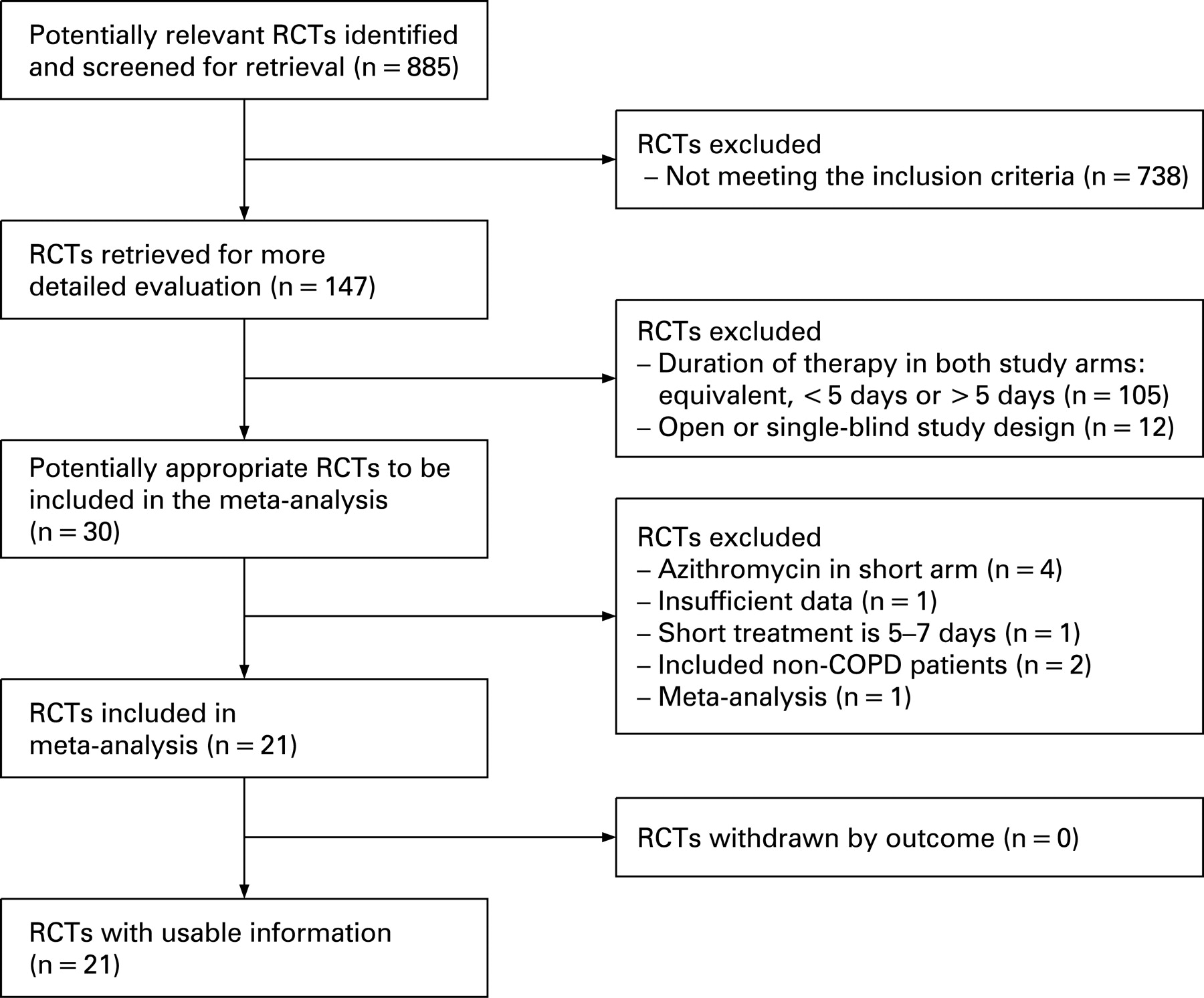
Chronic bronchitis is a relatively common entity among patients with underlying chronic obstructive lung disease. Typical treatment includes pulmonary hygiene, bronchodilators, and antimicrobial therapy. In recent years, azithromycin uses for copd duration of antimicrobial therapy in acute exacerbations of COPD has become shorter and shorter.




Comments:
Javascript is currently disabled in your browser. Several features of this site will not function whilst javascript is disabled.
Therese (taken for 2 to 4 years) 26.12.2016
43 users found this comment helpful.
Did you? Yes No | Report inappropriate
The use of long-term continuous cyclic azithromycin LT-CC-A therapy in patients with severe chronic obstructive pulmonary disease COPD was associated with sustained reductions in exacerbations and hospitalization rates with few adverse events, according to the results of a recent retrospective cohort analysis conducted at the Respiratory Day Care Unit of Sabadell Hospital in Barcelona, Spain, and published in Chest. The primary outcome of the study was whether the efficacy of LT-CC-A treatment is maintained beyond the first year of therapy by comparing the first, second, and third year of CC-A therapy with the month period prior to the treatment.
Marie (taken for 3 to 6 years) 27.04.2016
45 users found this comment helpful.
Did you? Yes No | Report inappropriate
Chronic bronchitis is a relatively common entity among patients with underlying chronic obstructive lung disease. Typical treatment includes pulmonary hygiene, bronchodilators, and antimicrobial therapy. In recent years, the duration of antimicrobial therapy in acute exacerbations of COPD has become shorter and shorter.
Heinrich (taken for 2 to 6 years) 19.03.2017
30 users found this comment helpful.
Did you? Yes No | Report inappropriate