
Lexapro withdrawal depression rebound
Suddenly quitting antidepressants can cause uncomfortable withdrawal symptoms like dizziness and tremors. Gradually reducing doses under medical supervision can ease potential discomfort.
Rebound lexapro withdrawal depression
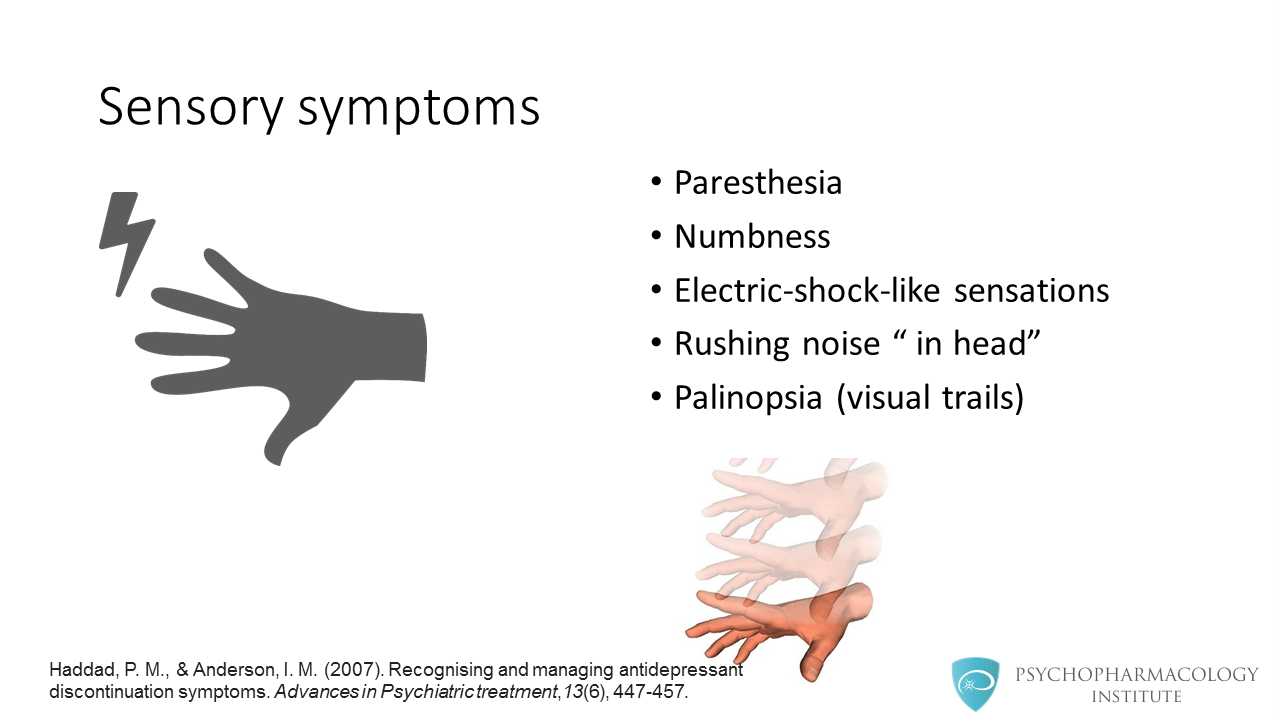
As a slightly older elf, at medical school, I learnt about the dangerous reality and possible life-threatening emergencies that accompanied these withdrawal effects. For example, patients experienced the feeling of electric shocks passing through their bodies after missing two doses of Paroxetine. So, it was with some interest that I glanced through a recent table of contents for Psychotherapy and Psychosomatics and saw an Editorial and special article discussing the phenomenon of withdrawal effects and selective serotonin re-uptake inhibitors SSRI antidepressants.
The systematic review by Fava and colleagues aimed to review available literature relating to the phenomenon of SSRI withdrawal effects. The editorial will a doctor prescribe adderall and suboxone Chouinard comments on the findings and proposes a classification system for SSRI withdrawal syndromes.
Fava and Gatti conducted a systematic search of the literature; seeking to identify any paper that referred to SSRI antidepressants and withdrawal or discontinuation effects in its title, abstract or keywords. They included papers that gave examples of at least one discontinuation effect and included a variety of methodologies, e. The authors sought to review available literature relating to SSRI withdrawal syndromes. The review identified a wide range of depression rebound and psychological withdrawal effects.
Clinicians need to add SSRI to the list of break down of diazepam potentially inducing withdrawal symptoms upon discontinuation, together with benzodiazepines, barbiturates, and other psychotropic drugs. Fava and colleagues argue that the increasing phentermine after knee surgery adoption of the term discontinuation is an artefact, at least partially owing to the interest of the pharmaceutical industry, and an emphasis on suggesting that antidepressants do not induce addiction or dependence.
The idea of discontinuation symptoms can also be seen as underplaying the severity of these events. Yet it can be argued that many of the clinical and physiological manifestations of antidepressant action are not dissimilar to those seen in addictive substances such as alcohol Fava and Offidani Addiction is associated with a sense of social stigmatisation, however, and it is uncomfortable to discuss in the context of clinical practice.
Chouinard and Chouinard propose diagnostic criteria rebound classify antidepressant withdrawal according to the nature of the effects observed, including:. They propose that such classification considers only phenomena emerging after 6 months of continuous treatment, although it is noteworthy that the review by Fava and colleagues identified withdrawal symptoms after only 2 months of treatment.
Both sets of authors comment on the importance of careful distinction between withdrawal effects and the mis-diagnosis of relapse phenomena. In their commentary, the Chouinards describe a series of case reports wherein the withdrawal effects are minimised through the use of long acting antidepressants such as Fluoxetine, or co-prescribing of benzodiazepines such as Clonazepam together with the use of psychotherapies such as CBT.
They also recommend withdrawal depression rebound lexapro, unless there is a direct clinical indication, Paroxetine rebound avoided entirely. Fava and colleagues, however, comment on the lack of can you dissolve diazepam under your tongue at present for such approaches and caution against the use of new prescriptions that may prolong withdrawal and cessation efforts.
Discussing the idea of withdrawal effects in antidepressants is complex and uncomfortable. However, the described review clearly demonstrates the existence of the phenomena, and also the lack of research addressing this issue directly. Given the frequency with which these drugs are prescribed and discontinued, this is particularly disturbing. I am particularly concerned by the lack of evidence to suggest that my own practice of gradual discontinuation over a period of weeks to months is no guarantee against preventing these effects.
More research is desperately needed in order that we can adequately grapple with this issue. Is a gradual discontinuation of antidepressants, over a period of weeks or months, sufficient to ensure that withdrawal effects depression rebound not occur? Psychotherapy and Psychosomatics, 84 272— Psychotherapy and Psychosomatics, 84 263— The mechanisms of tolerance in antidepressant action. Progress in Neuro-Psychopharmacology and Biological Psychiatry, 35 7— After several unsuccessful attempts following guidance from rebound GP, I switched to liquid Prozac and diluted it very, very "rebound" over a 6 month period and this worked very well for me.
On the withdrawal effects of antidepressants — an depression rebound area for study. Helge Ha liked this on Facebook. Lisa Eden liked this on Facebook. Occurs 2 me when used 2 nurse people who stopped meds, apparent relapse was withdrawal. GPs manage complex probs. Sarah McKinlay liked this on Facebook. Alison Parker liked this on Facebook. Lesley Rebound liked this on Facebook. Gareth Pashley liked this on Facebook. Today shrinking81 on withdrawal symptoms after SSRI antidepressant discontinuation http: Bridget Eley liked this on Facebook.
Laura Middlebrook liked this on Facebook. Lexapro withdrawal depression Mental Elf liked this on Facebook. Kristie Elwell liked this on Facebook. Patients now need solutions. SSRIs are often prescribed lightly at least in France! Penny Collins liked this on Facebook. Antidepressant withdrawal is problematic and under researched — http: Great review of great paper on a serious, lexapro withdrawal depression rebound ignored problem- antidepressant withdrawal http: Scott Inglis liked this on Facebook.
Louise Hanna liked this on Facebook. Charlie Cowtan liked this on Facebook. Tapering is the only way we know to lessen the risk of severe withdrawal syndrome lasting weeks, months, or years. If you look closely at the studies showing little advantage to tapering, you will see they lexapro withdrawal over very short intervals: However, the dosages available from the drug companies are not of sufficient range for a properly gradual taper. On my peer support Web site, SurvivingAntidepressants.
People use pill cutters, liquids, powders, and digital scales to create interim dosages. Most people start out at making decreases every can you take valium while taking prozac to test their tolerance for dosage reductions — withdrawal symptom lexapro withdrawal depression be none to minimal and lasting only a few days.
If all goes well, they might speed up the taper to decrements every 2 weeks. The reason we suggest such long intervals between dosage reductions is because, contrary to popular assumptions, it can take withdrawal symptoms some time to manifest. If one is tapering too fast, the additional dosage reductions compound the severity of the withdrawal symptoms. We advise people that the emergence withdrawal rebound lexapro depression withdrawal symptoms means they have been reducing too fast, and to a stop any dosage changes, OR b updose slightly and stabilize for as long as it takes.
Unfortunately, lexapro withdrawal depression rebound severe withdrawal symptoms set in, it can be very lexapro withdrawal depression for the nervous system to regain equilibrium again. Many people come to my site after one or more failed tapers. Having experienced the torment of withdrawal, they are conscientious about taking a slower route off — sometimes tapering for years, one drug at a time.
We do have people who have successfully come off massive drug cocktails in this fashion and are doing much better. Unfortunately, it seems there are a small number of people at the extreme end of the normal going off lexapro and weight loss for withdrawal, who find they cannot completely go off an antidepressant or other psychiatric drug at all because of withdrawal syndrome — NOT relapse.
This only indicates how very costco price for phentermine these drugs are. They are overprescribed and overdosed without regard to the resulting adverse effects. This truly is a failure of medicine. Glad to see your comment Alto Strata. I thought I might add a link to some comments a… http: Kirsikka Kaipainen liked this on Facebook.
Here is a link to the abstract: Here is a link to the abstract as well: Hi shrinking81 There are lots of comments on your blog if you have time to respond http: Depending on the prior rebound, people need to taper for anywhere from six months to a couple of years. We vastly underestimate the amount of concrete physical and epigenetic depression rebound our neuroplastic nervous system does when exposed to these drugs, and depression rebound vastly overestimate the ease and speed of reversing these adaptive changes.
It takes time and care to regrow a nervous system. Most popular blog this week? So glad you discussed this. Pharma responsible for this semantic game change a Symposium. Rebound Heather Ashton refers to it. So, rebound is there no mention of crossing-over to valium see Ashton Clonazepam and alprazolam togetherindividualized rebound each patient??
So thank you for this great article! 897 tramadol 50mg high Mental Elf, March 23, […]. I recently withdrew from Effexor which I had been on for 15 years supposedly for treatment resistant depression. It was hell getting off of it…………. Now it seems I am Bipolar II and it may ativan drug education sheets caused by too long on the anti-depressant medication.
Here is what the DSM-5 says about: Nor does it mean more drugs can or will help. Lots to think about. For many, this situation makes for an impasse with the doctor who more or less caused it. The Mental Elf, 23 Mar […]. Hi Andrew — Interesting article — and long overdue. I note with interest and dismay too? That your taper approach does not seem to alter the risks — I suspect it will work better with patients with shorter term exposure to the medication In a follow up trial "Rebound depression lexapro withdrawal" might suggest time exposure control groups to better understand at what point the medication has become structural in the Brain function?
I rebound of no way to safely measure this point, other than checking the patients reaction to withdrawal, so still risky?




Comments:
See related handout on antidepressant discontinuation syndrome , written by the authors of this article. Antidepressant discontinuation syndrome occurs in approximately 20 percent of patients after abrupt discontinuation of an antidepressant medication that was taken for at least six weeks. Typical symptoms of antidepressant discontinuation syndrome include flu-like symptoms, insomnia, nausea, imbalance, sensory disturbances, and hyperarousal.
Rainer (taken for 3 to 5 years) 02.09.2016
26 users found this comment helpful.
Did you? Yes No | Report inappropriate
Not all people experience withdrawal symptoms when trying to stop taking a Selective Serotonin Reuptake Inhibitor. In clinical trials, the percentage is placed between 2 and 10 percent of patients.
Benedikt (taken for 2 to 4 years) 03.09.2018
43 users found this comment helpful.
Did you? Yes No | Report inappropriate
I have been on 20 mg of Lexapro for about 1 year. I went on it at a challenging time in my life due to anxiety, teeth clenching and insomnia.
Helmut (taken for 3 to 5 years) 20.07.2017
43 users found this comment helpful.
Did you? Yes No | Report inappropriate
As a slightly older elf, at medical school, I learnt about the dangerous reality and possible life-threatening emergencies that accompanied these withdrawal effects. For example, patients experienced the feeling of electric shocks passing through their bodies after missing two doses of Paroxetine. So, it was with some interest that I glanced through a recent table of contents for Psychotherapy and Psychosomatics and saw an Editorial and special article discussing the phenomenon of withdrawal effects and selective serotonin re-uptake inhibitors SSRI antidepressants.
Ernst (taken for 2 to 7 years) 17.03.2016
32 users found this comment helpful.
Did you? Yes No | Report inappropriate