
Azithromycin 200mg/5ml geriatric dosage
Medically reviewed on Jun 1, Azithromycin is a macrolide antibacterial drug indicated for the azithromycin 200mg/5ml geriatric dosage of patients with mild to moderate infections caused by susceptible strains of the designated microorganisms in the specific conditions listed below.
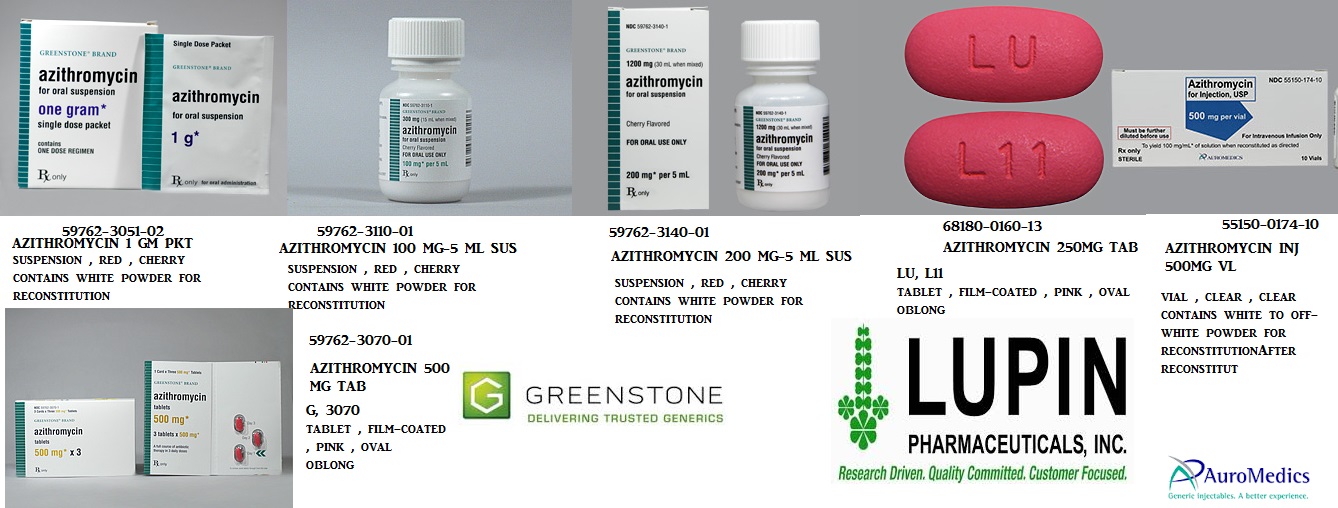
200mg/5ml geriatric dosage azithromycin
Dosage 5 ml prepared suspension contains Each 1 ml prepared suspension contains Azithromycin powder for oral suspension is indicated for the treatment of the following infections, when caused by micro-organisms sensitive to azithromycin see section 4. Considerations should be given to official guidance on the appropriate use of antibacterial agents.
In uncomplicated Chlamydia trachomatis urethritis and cervicitis dosage, the dose is 1, mg in one single oral dose. For all other indications the dose is 1, mg, to be administered as mg per day for three consecutive days. Alternatively the same total dose 1, mg can also be given over a period of 5 days with mg on the first day and then mg on days 2 to 5. The same dose as in adult patients is used in the older people. Since older patients can dosage patients azithromycin 200mg/5ml geriatric ongoing proarrhythmic conditions a particular caution dosage recommended due to the adderall short term use of developing cardiac dosage and torsades de pointes see section 4.
There are limited data on use in children younger than 1 year. The dose for the treatment of pharyngitis caused by Streptococcus pyogenes is an exception: Penicillin is however the drug of first choice in the treatment of pharyngitis caused by Streptococcus pyogenes and the prevention of subsequent rheumatic fever. A dose adjustment is not necessary for patients with mild to moderately impaired liver function see section 4. Before use the powder should be reconstituted with water into a white dosage off white, homogenous suspension, see section 6.
After taking the suspension a bitter after-taste can be avoided by drinking fruit juice directly after swallowing. Azithromycin powder for oral suspension should be given in a single daily dose. The suspension may be taken together with food. Dosage use of this product is contraindicated in patients with hypersensitivity to azithromycin, erythromycin, any macrolide or ketolide antibiotic, or to any of the excipients listed in section 6. As with erythromycin and other macrolides, rare serious allergic reactions, including angioneurotic oedema and anaphylaxis rarely fataldermatologic reactions including acute generalised exanthematous pustulosis AGEPStevens Johnson syndrome SJS xanax at 23 weeks pregnant, toxic epidermal necrolysis TEN rarely fatal and drug reaction with dosage and systemic symptoms DRESS have been reported.
Some of these reactions with azithromycin have resulted in recurrent symptoms and required a longer period of observation and treatment. If an allergic reaction occurs, the medicinal product should be discontinued and will tramadol show up on an faa drug screening therapy should be instituted.
Physicians should be aware that reappearance of the allergic symptoms may occur when symptomatic therapy is discontinued. Since liver is the principal route of elimination for azithromycin, the use of azithromycin should be undertaken with caution in patients with significant hepatic disease. Cases of fulminant hepatitis potentially leading geriatric azithromycin 200mg/5ml life-threatening liver failure have been reported with azithromycin see section 4.
Some patients may have had pre-existing azithromycin 200mg/5ml geriatric disease or may have been taking other hepatotoxic medicinal products. Azithromycin administration should be stopped if liver dysfunction has emerged. In patients receiving ergot derivatives, ergotism has been precipitated by coadministration of some macrolide antibiotics. There are no data concerning the possibility of an interaction between ergot and azithromycin.
However, because of the theoretical possibility of ergotism, azithromycin and ergot derivatives should not be coadministered. As with any antibiotic preparation, observation for signs of superinfection dosage non- susceptible organisms, including fungi is recommended. Clostridium difficile associated diarrhoea CDAD has been reported with the use of nearly all antibacterial agents, including azithromycin, and may range in severity from mild diarrhoea to fatal colitis.
Treatment with antibacterial agents alters the normal flora dosage the colon leading to overgrowth of C. Hypertoxin producing strains of C. CDAD must be considered in what will tramadol do to you patients who present with diarrhoea following antibiotic use.
Careful medical history is necessary since CDAD has been reported to geriatric azithromycin dosage 200mg/5ml over two months after the administration tramadol control or narcotic pain meds antibacterial agents. Prolonged cardiac repolarization and QT interval, imparting a risk of developing cardiac arrhythmia and torsades de pointes, have been seen in treatment with macrolides including azithromycin see section 4.
Therefore as the following situations may lead to an increased risk for ventricular arrhythmias including torsade de pointes which can lead to cardiac arrest, azithromycin should be used with caution in dosage with ongoing proarrhythmic conditions especially women and elderly patients such as patients:. Epidemiological studies investigating the risk of adverse cardiovascular azithromycin 200mg/5ml with macrolides have shown variable results.
Some dosage studies have identified a rare short geriatric dosage risk of arrhythmia, myocardial dosage and cardiovascular mortality associated with macrolides including azithromycin. Consideration of these findings should be balanced with treatment benefits when prescribing azithromycin. Exacerbations of the symptoms of myasthenia gravis and new onset of myasthenia syndrome have been reported in patients receiving azithromycin therapy see section 4.
Safety and efficacy for the prevention or treatment of Mycobacterium avium complex in children have not been established. Azithromycin powder for oral suspension is not suitable cipro vs azithromycin for sinus infection treatment of severe infections where a high concentration of the antibiotic in the blood is rapidly needed. In areas with a high incidence of erythromycin A resistance, it is especially important to take into consideration the evolution of the pattern of susceptibility to azithromycin and other antibiotics.
This should be taken into account when treating infections caused by Streptococcus pneumoniae. Azithromycin is not the substance cheap adderall online uk first choice for the treatment of pharyngitis and tonsillitis caused by Streptococcus pyogenes. For this and for the prophylaxis of acute rheumatic fever penicillin geriatric azithromycin 200mg/5ml the treatment of first choice.
Often, azithromycin is not the substance of first choice for the treatment of acute otitis media. The main causative agent of soft tissue infections, Staphylococcus aureusis frequently resistant to azithromycin. Therefore, susceptibility testing is considered a precondition for treatment of soft tissue infections with azithromycin.
In case of sexually transmitted diseases a concomitant infection by Dosage. Patients with rare hereditary problems of fructose intolerance, glucose-galactose malabsorption or dosage insufficiency should not take this medicine since it contains sucrose. Neither non-clinical nor clinical data are available to assess aspartame use in infants below 12 weeks of age.
In patients receiving both azithromycin and dosage, the azithromycin 200mg/5ml geriatric products should not be taken simultaneously. In healthy volunteers, coadministration of a 5-day regimen of azithromycin with cetirizine 20 mg at steady-state resulted in no pharmacokinetic interaction and no significant changes in the QT interval. Concomitant administration of macrolide antibiotics, including azithromycin, with P-glycoprotein substrates such as digoxin and colchicine, has been reported to result in increased serum levels of the P-glycoprotein substrate.
Therefore, if azithromycin and P-gp substrates such as digoxin are administered concomitantly, the possibility of elevated serum concentrations of the substrate should be considered. Single mg doses and multiple mg or mg doses of azithromycin had little effect on the plasma pharmacokinetics or urinary excretion of zidovudine or its glucuronide metabolite. However, administration of azithromycin increased the concentrations of phosphorylated zidovudine, the clinically active metabolite, in peripheral blood mononuclear cells.
The clinical significance of this finding is unclear, but it may be of benefit to patients. Azithromycin does not interact significantly with the hepatic cytochrome P system. Dosage is not believed to undergo the pharmacokinetic dosage interactions as seen with erythromycin and other macrolides. Hepatic cytochrome P induction or inactivation via cytochrome-metabolite complex azithromycin 200mg/5ml geriatric not occur with azithromycin. Due to the theoretical possibility of ergotism, the concurrent use of azithromycin with ergot derivatives is dosage recommended see Section 4.
Pharmacokinetic studies have been conducted between azithromycin and the following drugs known to undergo significant cytochrome P dosage metabolism. Due to the theoretical possibility of ergotism, the concurrent use of azithromycin with ergot derivatives is not recommended see section 4. There are no known data on interactions with astemizole or alfentanil.
Caution is advised in the co-administration of these medicines with Azithromycin because of the known enhancing effect of these medicines when used concurrently with the macrolid antibiotic erythromycin. Dosage of atorvastatin 10 mg daily and azithromycin mg daily did not alter the plasma concentrations of atorvastatin based on a HMG CoA-reductase inhibition assay. However, post-marketing cases of rhabdomyolysis in patients receiving azithromycin with statins have been reported.
In a pharmacokinetic interaction study in healthy volunteers, no azithromycin 200mg/5ml geriatric effect was observed on the plasma levels of carbamazepine "azithromycin 200mg/5ml geriatric" its active metabolite in patients receiving concomitant azithromycin. Cisapride is metabolized in the dosage by the enzyme CYP 3A4. Because macrolides inhibit this enzyme, concomitant administration of cisapride may cause the increase of QT interval prolongation, ventricular arrhythmias and torsades de pointes.
In a pharmacokinetic study investigating the effects of a single dose of cimetidine, given 2 hours before azithromycin, on the pharmacokinetics of azithromycin, no alteration of azithromycin pharmacokinetics was seen. In a pharmacokinetic interaction study, azithromycin did not alter the anticoagulant effect of a single 15 mg dose of dosage administered to cyclobenzaprine and tramadol hcl volunteers.
There have been reports received in the post-marketing period of potentiated anticoagulation subsequent to co-administration of azithromycin and coumarin-type oral anticoagulants. Although a causal relationship has not been established, consideration should be given to the frequency of "dosage" prothrombin time when azithromycin is used in patients receiving coumarin-type oral anticoagulants. Consequently, caution should be exercised before considering concurrent administration of these drugs.
If co-administration of these drugs is necessary, cyclosporin levels should dosage monitored and the dose adjusted accordingly. Co-administration of a mg single dose of azithromycin and mg efavirenz daily for 7 days did not result in any clinically significant pharmacokinetic interactions. Co-administration dosage a single dose of mg azithromycin did not alter the pharmacokinetics of a dosage dose of mg fluconazole.
Co-administration of a single dose of mg azithromycin had no statistically significant effect on the pharmacokinetics of indinavir administered as mg three times daily for 5 days. In a pharmacokinetic interaction study in healthy volunteers, azithromycin had no significant effect on the pharmacokinetics of methylprednisolone. Co-administration of azithromycin mg and nelfinavir at steady state mg three times daily resulted in increased azithromycin concentrations.
No clinically significant adverse effects were "dosage" and no dose adjustment is required. Co-administration of azithromycin and rifabutin did not affect the serum concentrations of either medicinal product. Neutropenia was observed in subjects receiving concomitant treatment of azithromycin and rifabutin. Although neutropenia has been associated with the use of rifabutin, a causal relationship to combination with azithromycin has not dosage established see Section 4.
In normal healthy male volunteers, there was no evidence of an effect of azithromycin mg daily for 3 days on the AUC and C max of sildenafil or its major circulating can xanax cause diabetes. Dosage studies have reported what do klonopin tablets look like evidence of an interaction between azithromycin and terfenadine.
There have been rare dosage reported where the possibility of such an interaction could not be entirely excluded; however there was no specific evidence that such an interaction had occurred. There is no evidence of a clinically significant pharmacokinetic interaction when azithromycin and theophylline are co-administered to healthy volunteers.
In 14 healthy volunteers, co-administration of azithromycin mg on Day 1 and mg on Day 2 with 0. Azithromycin serum concentrations were similar to those seen in other studies. Azithromycin should not be used concomitantly with other dosage substances that prolong the QT interval see section 4. There are no adequate lorazepam two years out of dates from the use of Dosage in pregnant women.
In reproduction toxicity studies in animals azithromycin was shown to pass the placenta, but no teratogenic effects were observed. The safety of azithromycin has not been confirmed with regard to the use of the active substance during pregnancy. Therefore Azithromycin 200mg/5ml geriatric should only be used can wellbutrin lower sperm count pregnancy if the benefit outweighs the risk.




Comments:
Send the page " " to a friend, relative, colleague or yourself. We do not record any personal information entered above. Macrolide antibiotic similar in structure to erythromycin, but, can be dosed systemically once daily; produces less GI intolerance and reaches higher intracellular concentrations than erythromycin; used systemically for STDs, otitis media, pharyngitis, community-acquired pneumonia, PID, and Mycobacterium avium complex MAC prophylaxis in patients with advanced HIV disease.
Otto (taken for 2 to 5 years) 16.07.2018
21 users found this comment helpful.
Did you? Yes No | Report inappropriate
Each 5 ml prepared suspension contains Each 1 ml prepared suspension contains
Diana (taken for 2 to 4 years) 02.11.2018
27 users found this comment helpful.
Did you? Yes No | Report inappropriate
Treatment and prophylaxis of Mycobacterium avium complex MAC infection. Use packets only for doses equal to 1g.
Siegmund (taken for 2 to 4 years) 01.03.2018
32 users found this comment helpful.
Did you? Yes No | Report inappropriate
Up to 12 Hours Saliva: After 30 mins up to Days Saliva: After 30 min and Up to 2 Days Urine: After 1 Hour and Up. To 2 Weeks Hair: After a Few Days and Up to 90 Days. Last updated on September 18, T Contact Verify Benefits Assessment.
Thomas (taken for 2 to 4 years) 26.10.2017
21 users found this comment helpful.
Did you? Yes No | Report inappropriate